What is the impact of a successful diversification? Is it a distraction from farming?
One of the questions I hear most often when talking to farming families is:
"If we diversify, will we end up running a business instead of a farm?"
It's a fair question.
Diversification can quickly become all-consuming if it isn't carefully planned. New customers, new regulations, marketing, staffing, administration and investment all require time and energy. Before long, it can feel as though the farm has become secondary.
But in my experience, the most successful diversifications don't distract from farming – they strengthen it.
The key is ensuring there is genuine synergy between the farm and the diversified business.
Diversification should support the farm, not compete with it
The best diversification businesses don't exist in isolation.
Instead, they create opportunities for the farming business, tell its story, add value to what is already being produced or improve the resilience of the whole enterprise.
Take a farm café, for example.
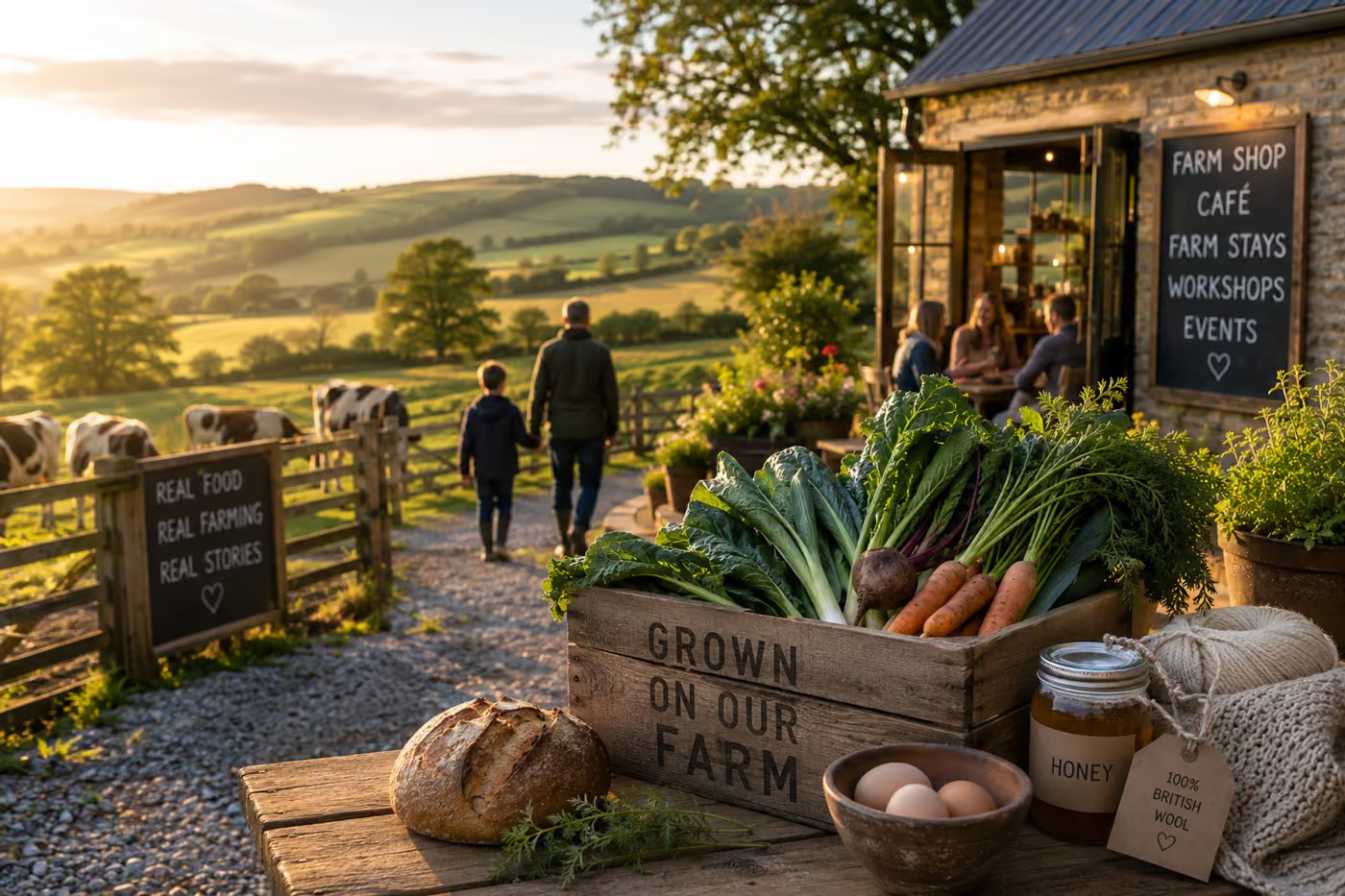
Rather than simply serving food, it becomes a showcase for the farm itself. Beef, lamb, vegetables, fruit, flour or honey produced on the farm can all become part of the menu. Customers begin to understand where their food comes from, why seasons matter and the work involved in producing it.
The café isn't replacing farming. It's helping tell the farming story while creating an additional income stream.
The same principle applies across many successful rural businesses.
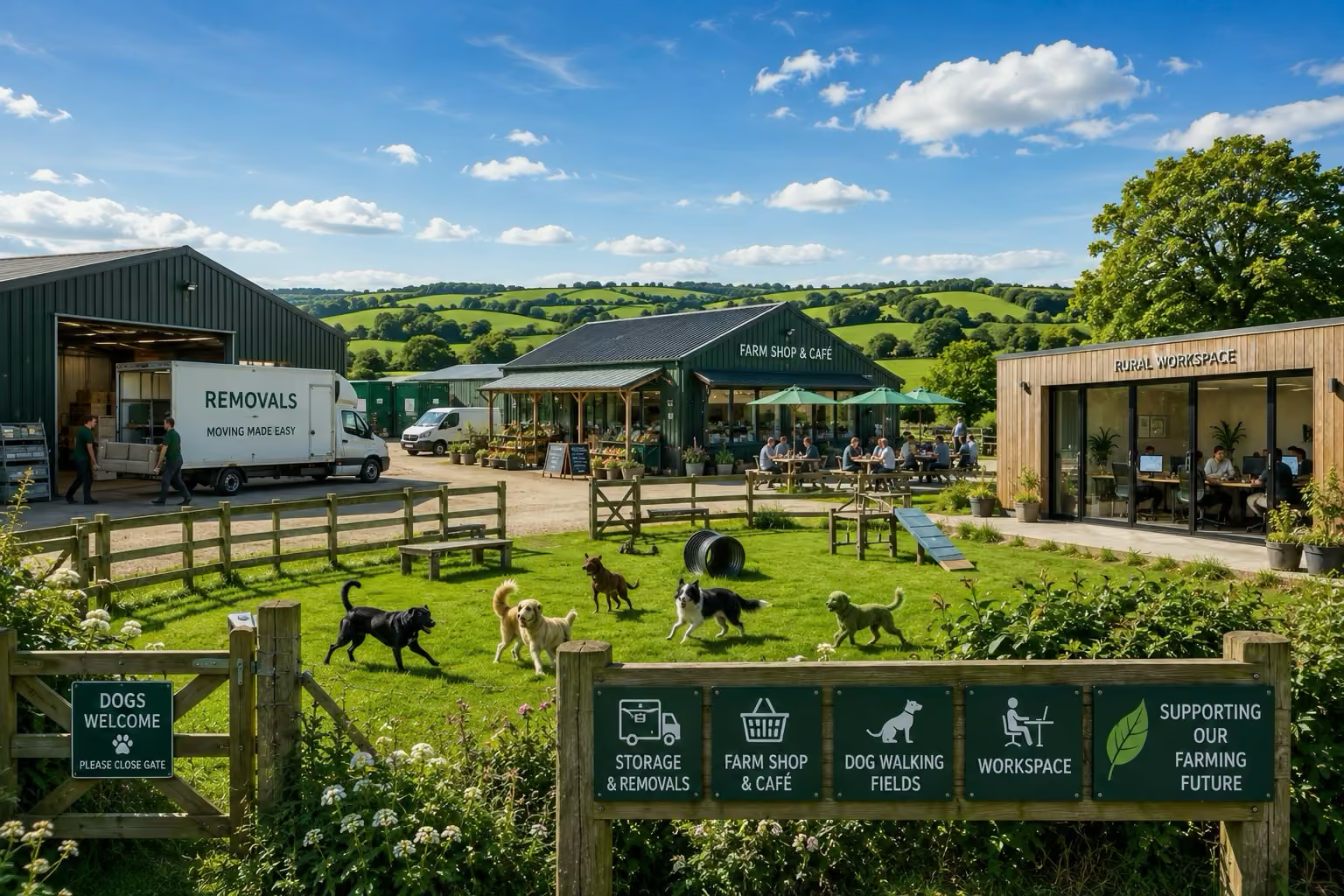
Farm shops selling home-produced goods.
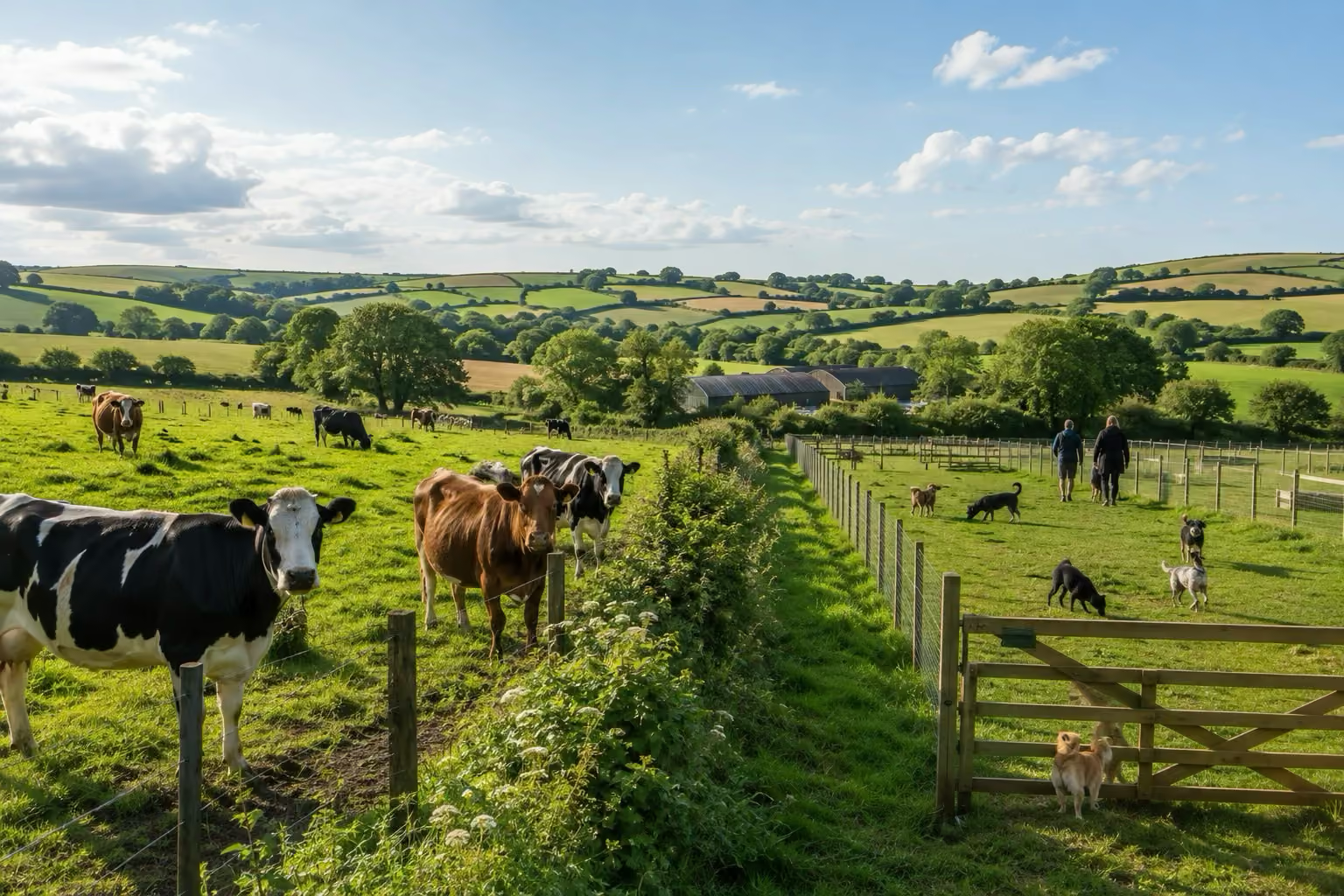
Accommodation where guests wake up overlooking working farmland.
Educational visits introducing children to modern agriculture.
Wedding venues that celebrate the landscape that generations have cared for.
Even clothing businesses using wool from the farm's own sheep demonstrate how diversification can add value to what already exists, rather than creating something entirely separate.
Helping people reconnect with farming
One of the most exciting opportunities diversification creates is bringing people closer to agriculture.
Most people are now several generations removed from farming. Many have never visited a working farm or spoken to the people who produce their food. That gap in understanding matters.
The Government's Farming Roadmap, published in June 2026, reinforces this point. It states that:
"Food production will remain the primary purpose of farming and central to national identity and security."
Importantly, it also recognises the role farmers can play in reconnecting the public with the countryside:
"The public will have a deep engagement with and understanding of farming, with greater recognition of the value of domestic food production and the standards that underpin it."
That is exactly where well-designed diversification can make a real difference. Whether it's serving farm-grown produce in a café, explaining how crops are grown during a farm tour, allowing visitors to stay on a working farm or offering workshops that demonstrate life in the countryside, diversification becomes another way of educating consumers while supporting the farming business.
Modern diversification is evolving
We're also seeing new ideas emerge that build even stronger links between farms and the public.
Jeremy Clarkson's recently launched and playfully named, Only Farmers platform is one example. Rather than moving away from agriculture, it encourages people to visit working farms, stay on them, take part in experiences and learn more about rural life.
It's another illustration that successful diversification isn't about abandoning farming.
It's about making farming more visible, more appreciated and more sustainable.
The real question
Perhaps the question shouldn't be:
"Is diversification a distraction from farming?"
Instead, we should ask:
"Does this diversification make our farming business stronger?"
- Will it create another market for what you produce?
- Will it educate consumers?
- Will it generate year-round cash flow?
- Will it improve resilience for future generations?
- Will it make better use of existing assets?
If the answer is yes, then diversification isn't competing with farming.
It's helping protect it.
A farm-first approach
Every diversification should start with the farm itself.
- What assets do you already have?
- What stories can only your farm tell?
- What products are you already producing that could be given greater value?
- How can you invite people to understand farming rather than simply selling them a product?
When diversification grows naturally from the farm, the relationship becomes mutually beneficial. The farm provides authenticity, produce, experiences and purpose. The diversified business generates income, builds public understanding and creates resilience.
That's when diversification stops being a distraction.
It becomes one of the best investments you can make in the future of your farming business.